


Why Your Skin Burns Faster After 50 (And What to Do About It)
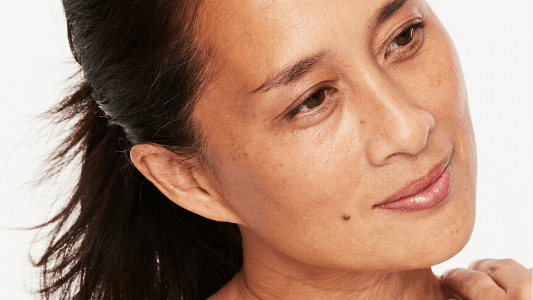
If you've noticed your skin burning faster than it used to—sometimes from a short walk, sometimes despite using the same sunscreen you've always relied on—you're not imagining it. And you're not doing anything wrong.
Many women notice that summer feels different after 50. Skin seems more reactive. Sun exposure leaves its mark more quickly. Moisture disappears faster. What once felt effortless now requires a little more intention.
There's a biological reason for these changes, and understanding it can help you protect your skin without adding a complicated routine to your day.
Can Menopause Cause Sun Sensitivity?
Yes. The hormonal changes that happen during perimenopause and menopause can make skin more vulnerable to sun damage. As estrogen levels decline, the skin becomes thinner, produces less natural oil, and repairs itself more slowly after UV exposure.
The result? Many women find they burn more easily, experience increased dryness, and notice more visible signs of sun damage than they did in their 30s and 40s.
What You've Been Noticing
Many women describe the same changes around perimenopause and beyond:
-
Burning faster. A walk that once left your skin untouched now leaves a pink mark behind.
-
More visible sun damage. Sunspots, uneven tone, and broken capillaries seem to appear more readily.
-
Skin that feels more reactive. Flushing, sensitivity, and longer recovery times after irritation.
-
Hydration that doesn't last. Moisturizer that once carried you through the day now seems to disappear by lunchtime.
These changes aren't a sign that your skin is failing, they're a sign that your skin is changing...and like many changes in midlife, they trace back to one important shift: estrogen.
The Estrogen Story
Estrogen does a tremendous amount of work behind the scenes. It helps support collagen production, skin thickness, natural oil production, and the skin's ability to recover from everyday stressors—including sun exposure.
As estrogen levels decline during menopause, those protective systems naturally begin to change.
Research suggests that women can lose up to 30% of their collagen during the first five years after menopause, with gradual losses continuing afterward.
That shift affects more than firmness and elasticity.
It also affects how your skin responds to the sun.
Thinner Skin Means Less Natural Protection
As skin becomes thinner, UV rays can have a greater impact than they once did. The same amount of sunshine your skin handled comfortably ten years ago may now leave behind redness, irritation, or visible damage.
Repair Takes Longer.
One of the most overlooked changes in midlife skin is repair speed.
When skin is younger, it often rebounds quickly from sun exposure. As estrogen declines, the processes involved in repair and renewal slow down. That means even small amounts of UV exposure can accumulate more noticeable over time.

Less natural oil means a more vulnerable barrier.
Estrogen also helps support sebum production—your skin's natural oil. As oil production decreases, skin tends to become drier and the protective barrier becomes less resilient.
Water escapes more easily. Irritation happens more quickly. Sun exposure feels more intense.
This isn't bad luck. It's biology. Once you understand what's happening, it's much easier to respond with care instead of frustration.
Why a 30-Minute Walk Feels Different Now
This is the part most sunscreen marketing leaves out. The goal isn't to fight your skin...the goal is to support it.
Many women assume they suddenly need stronger products, more products, or a complicated anti-aging routine. When, in reality, the most effective approach is often much simpler: consistent daily protection and barrier support.
The Post-50 SPF Protocal: Three Habits That Matter Most
1. Apply Broad-Spectrum SPF Every Morning
Not just on beach days or when it's sunny. UVA rays penetrate clouds and glass, which means daily exposure adds up even when you're driving, running errands, or sitting near a window. Don't forget the areas that often show sun damage first:
-
Face
-
Neck
-
Chest
-
Hands
2. Focus on Consistency, Not Perfection
If you're outdoors continuously, reapplying every two hours is ideal. For many women, however, the bigger opportunity is simply remembering to wear SPF every day. A sunscreen you enjoy using consistently is often more valuable than a higher SPF that sits untouched in a drawer.
3. Hydrate Before You Protect
Skin after 50 often benefits from hydration underneath sunscreen. A simple moisturizer helps support the barrier, allows sunscreen to spread more evenly, and makes daily protection feel more comfortable.
Because skin in midlife tends to be drier and more reactive, hydration and sun protection work best as partners. That's one of the reasons we created Boom Sun—to provide broad-spectrum protection that layers comfortably onto mature skin without feeling heavy, greasy, or complicated.
Other Factors That Can Increase Sun Sensitivity
Hormonal changes aren't the only reason skin may become more sensitive to the sun. Certain medications and skincare ingredients can also increase photosensitivity.
Some common examples include:
-
Certain blood pressure medications
-
Some antibiotics
-
Prescription retinoids
-
Exfoliating acids such as AHAs
If you've recently started a new medication and noticed changes in how your skin responds to sunlight, it's worth discussing with your healthcare provider.
The Pro-Age Perspective
Your skin isn't failing you. It's responding to a real, natural shift. The answer isn't a longer routine, a stronger product, or criticism of the face looking back at you in the mirror. It's understanding what's happening and responding with a little more care.
A few thoughtful habits can go a long way toward protecting your skin, preserving your comfort, and helping you enjoy the sunshine in every season of life.
Frequently Asked Questions
-
Declining estrogen can make skin thinner, drier, and slower to recover from UV exposure. As a result, the same amount of sun may cause more visible damage than it did earlier in life.
CHECK OUT OUR MOST POPULAR CONTENT
4 All Natural Ingredients Your Skin Will Love

5 Makeup Tips for Older Women

How to Shift Your Perspective on Aging
How to Make the Switch to All Natural Skincare
6 Tips for Taking Amazing Photos and Videos
Create Your Own Spa at Home

3 Things Every Woman Needs to Hear About Aging, Beauty and Life