

What the Beauty Industry Gets Wrong About Women Over 40
The global beauty industry is worth over $600 billion. A significant portion of it is targeted at women over 40. And most of it is built on a fundamental misreading of who those women are and what they actually want.
Here's what the industry consistently gets wrong, and what a better approach looks like.
The Core Assumption Is Wrong
The most common mistake the beauty industry makes with women over 40 is also the most basic: assuming that their primary concern is looking younger.
This assumption drives everything. It drives the "anti-aging" language on product labels. The before-and-after campaigns using heavily retouched images. The product development focused on minimizing, concealing, and reversing. The entire framing of mature skin as skin that needs to be corrected.
The assumption is wrong.
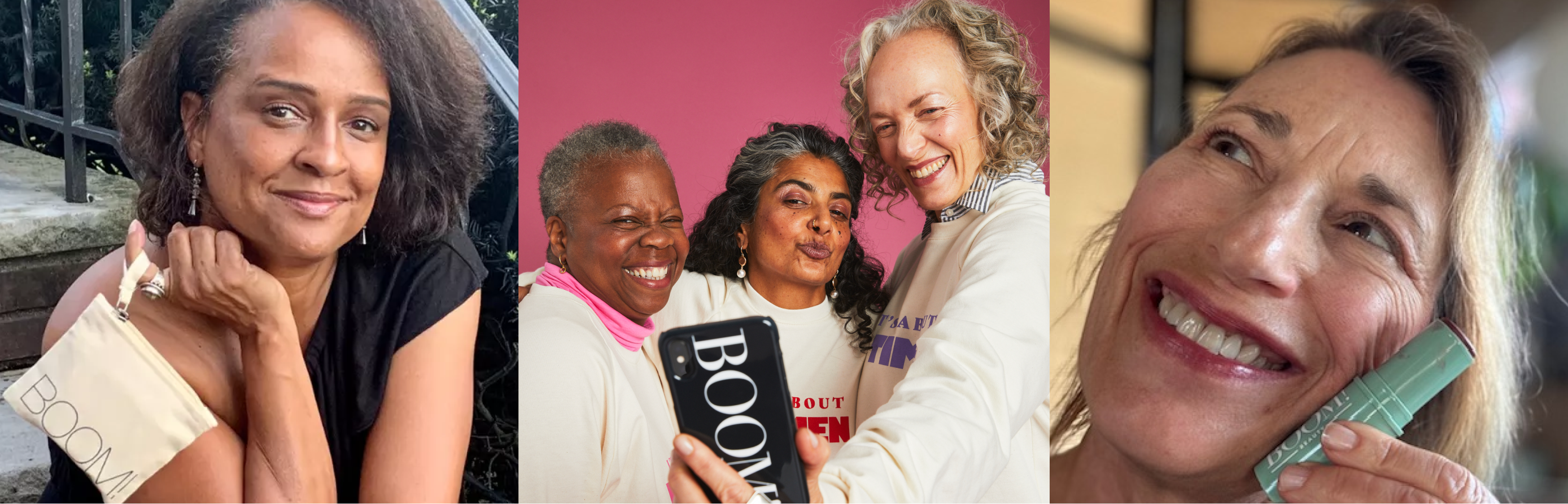
Research and community data consistently show that women over 40 are not primarily motivated by a desire to look younger. They want to look well-rested. Healthy. Put-together. Like themselves, on a good day. That is a fundamentally different goal than looking like a different, younger person, and the beauty industry has been slow to understand the distinction.
The Marketing Double Standard
Walk through the skincare aisle of any major retailer and look at who's in the campaigns. The imagery skews young: often 20s and 30s, occasionally 40s. When a face over 50 appears, it's almost always in a specific "anti-aging" context: here's what this product can do “to help” skin like yours.
The implication is consistent: skin like yours is a problem. This product is the solution.
Compare this to how the industry markets to men over 40. The language shifts. "Distinguished." "Seasoned." Men with silver hair and lined faces appear as aspirational figures. Women with the same features are handed eye cream to reverse their smile lines.
This double standard isn't incidental. It's structural. And it's been profitable for a long time. Fear is a reliable commercial motivator, and the industry has spent decades telling women their aging faces are something to be afraid of.
The women who are most aware of this dynamic, who've been the target of this marketing long enough to see the pattern, are done with it. They don't want to be managed. They want to be seen.
FIVE SPECIFIC THINGS THE INDUSTRY GETS WRONG
1. Assuming women over 40 want to be invisible
A persistent myth says women past a certain age should wear less makeup, avoid bold color, stick to neutrals, and generally make themselves smaller. This has no basis in what women actually want. It's a projection of the industry's youth-centric values onto customers who have their own fully-formed preferences. Many women are more comfortable with color and self-expression at 55 than they ever were at 30.
2. Ignoring how mature skin actually behaves
Mature skin is drier, has different texture, and absorbs products differently than younger skin. Formulas that work beautifully on 25-year-old skin can look heavy, settle into lines, or sit on the surface of mature skin in unflattering ways. This is a formulation failure, not a problem with the skin. But the industry often frames it the other way around.

3. Treating "women over 40" as a single demographic
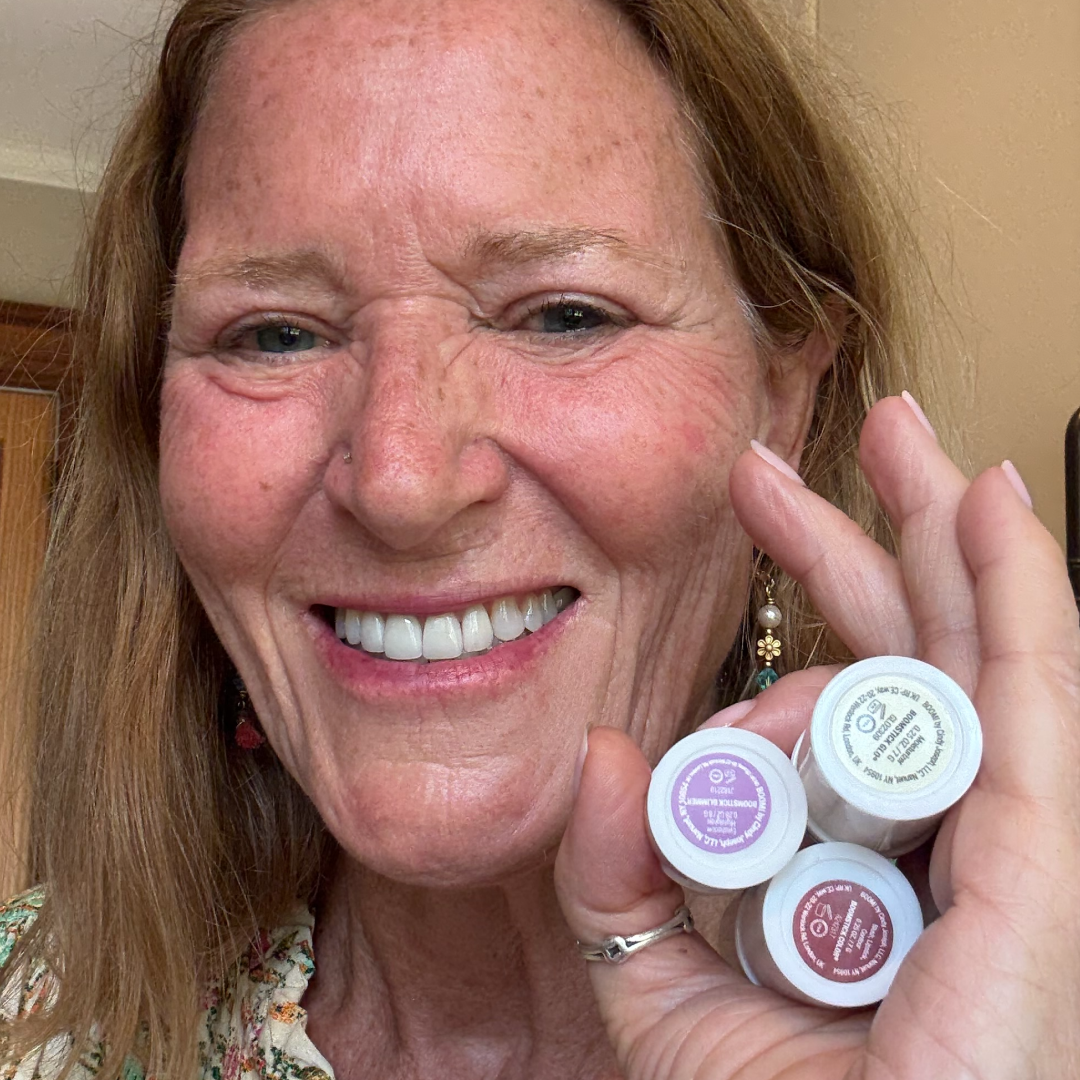
Women in their early 40s have different needs and starting points than women in their 60s. Women who've worn color cosmetics their whole lives have different relationships with products than women trying things for the first time. "Women over 40" is not a monolith, and marketing that treats it as one produces products and campaigns that serve no one particularly well.
4. Using correction as the primary frame
Even brands that try to be age-positive often slip into the framing of "aging gracefully," which still positions aging as something to be managed, just more elegantly. Pro-Age isn't graceful management. It's the removal of the judgment entirely. Aging is neither graceful nor ungraceful. It's life.
5. Confusing representation with understanding
A campaign featuring a 60-year-old with heavily retouched skin is not age-positive beauty. It's age-positive marketing with the same anti-aging product underneath. Real understanding means rethinking what products get made, not just who appears in the photos.
What Pro-Age Beauty Gets Right
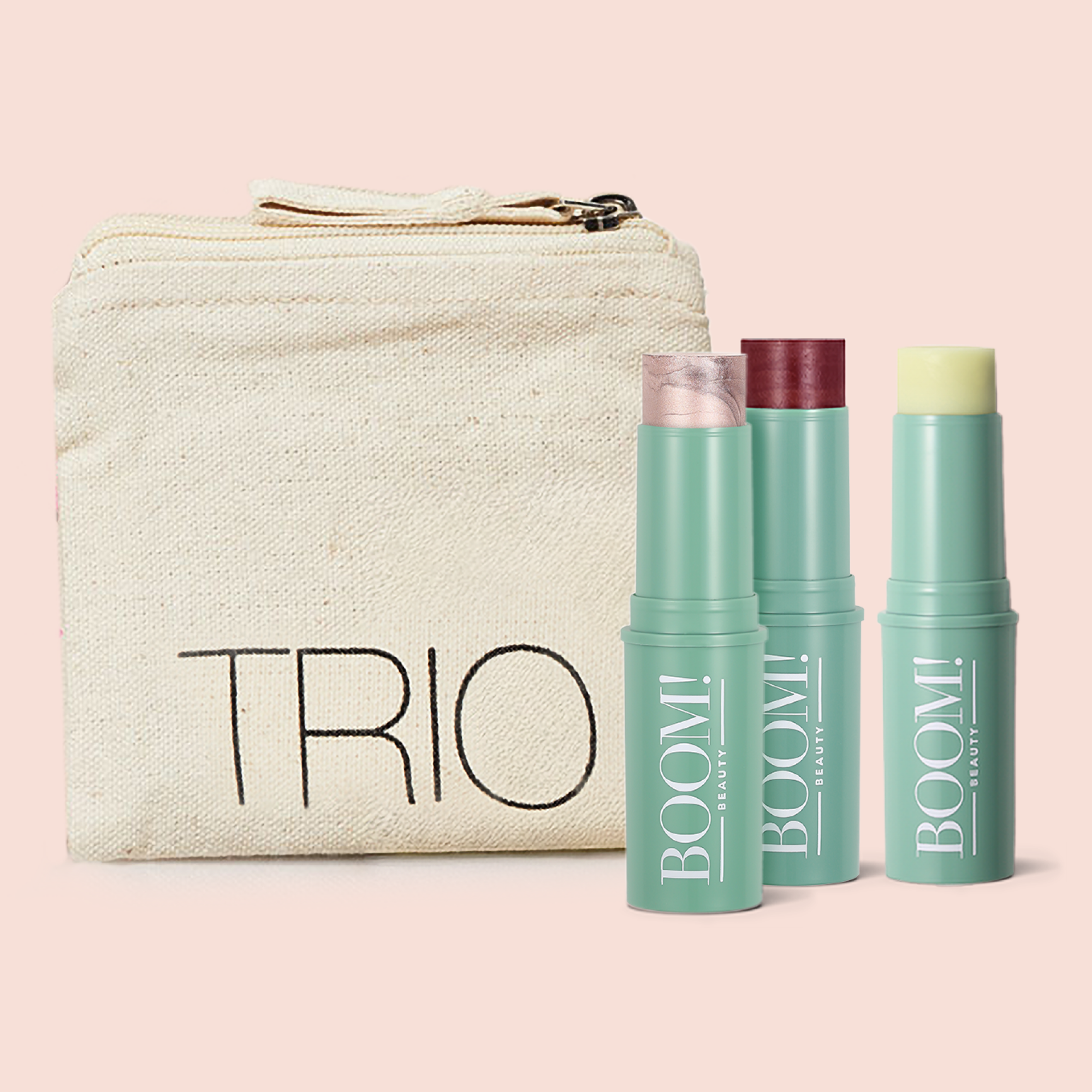
The Pro-Age approach, pioneered by Cindy Joseph when she founded Boom Beauty in 2010, starts from a different premise: how do we make products that work beautifully for women as they are, right now?
That shift changes the entire product development conversation. Formulas are built for how mature skin actually behaves, not for how the industry wishes it behaved. Ingredient lists are short and honest. Nothing added to bulk up a formula or attach a claim that can't be backed up.
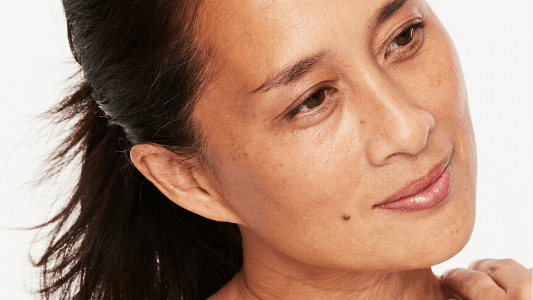
Photography uses real women at their real ages. Language doesn't include "anti-aging," "turn back the clock," or any framing that suggests the goal is looking like someone you no longer are. The product line doesn't include anything that promises to erase wrinkles, because we don't believe wrinkles are a problem.
The result is a brand the women it's built for recognize themselves in, because it was designed around them, not despite them.
What Women Over 40 Actually Want From Beauty
They want products that work. Not products that promise to work. Products that actually deliver on what the label says.
They want honest communication. They've been marketed to for long enough to recognize when they're being sold something on fear rather than efficacy.
They want to be talked to like adults. Not managed, not handled, not sold on the idea that their age is the primary fact about them.
And they want to see themselves in the brands they buy. Not a younger version of themselves, not an aspirational image of who they used to be. Themselves, now.
Frequently Asked Questions
-
Because it's been commercially effective. Anti-aging language taps into genuine anxieties about aging in a culture that equates youth with value, especially for women. Brands use it because it sells. The Pro-Age movement exists to offer a different premise: one that doesn't require women to feel bad about themselves in order to buy.
CHECK OUT OUR MOST POPULAR CONTENT
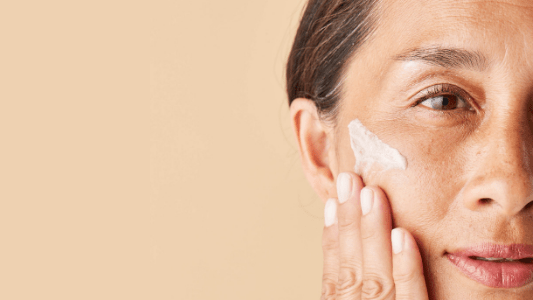
4 All Natural Ingredients Your Skin Will Love
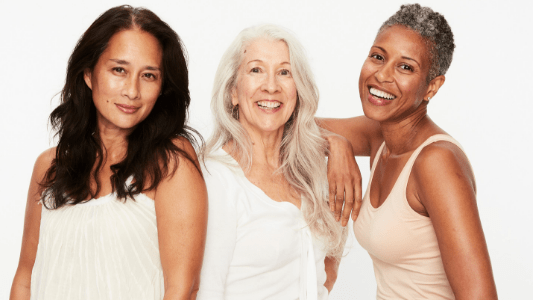
5 Makeup Tips for Older Women

How to Shift Your Perspective on Aging
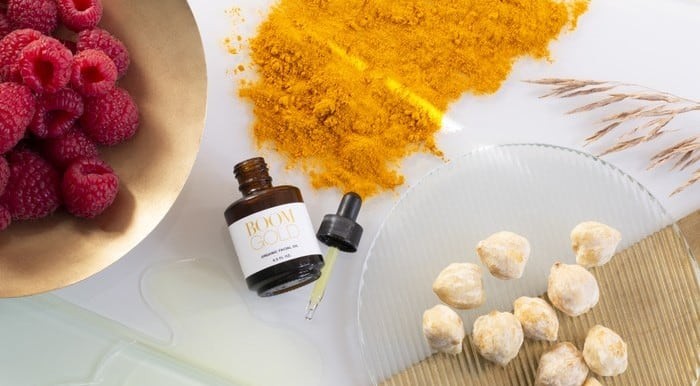
How to Make the Switch to All Natural Skincare
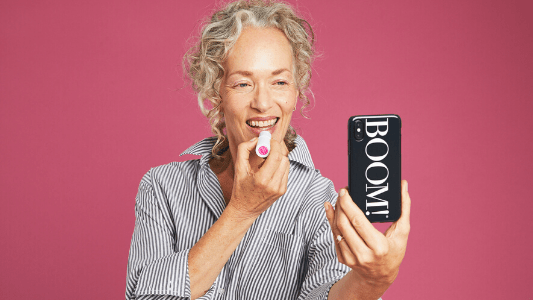
6 Tips for Taking Amazing Photos and Videos
Create Your Own Spa at Home

3 Things Every Woman Needs to Hear About Aging, Beauty and Life