How Menopause Affects the Skin Barrier — and Why Cleansing Feels Different
During menopause, hormonal shifts can reduce natural oil production and weaken the skin barrier, making skin more prone to dryness, tightness, and sensitivity. When the barrier is compromised, cleansing can feel harsher than it once did, even with familiar products. Adjusting how skin is cleansed and how moisture is sealed afterward often becomes essential for long-term comfort.
Why This Matters
-
Menopausal skin loses moisture more easily than before
-
A weakened skin barrier increases sensitivity and irritation
-
Cleansers that once felt fine may begin to feel stripping
-
Supporting the barrier can help skin feel calmer and more comfortable
Table of Contents
Table of Contents
01. What is the Skin Barrier?
The skin barrier refers to the outermost layer of the skin (the stratum corneum). It’s made up of skin cells and natural lipids that work together to hold moisture in and protect against environmental stressors like dry air, pollutants, and irritants.
When the barrier is functioning well, it helps slow water loss and keeps skin feeling comfortable and resilient. When it becomes weakened, moisture escapes more easily — a process known as transepidermal water loss (TEWL) — and skin can begin to feel tight, dry, or more reactive.
-
Helps regulate moisture retention
-
Protects against external irritation
-
Supports overall skin comfort and resilience
For many women, changes to the skin barrier become more noticeable during menopause, as natural lipid production and moisture retention decline.
02. How Menopause Changes the Skin Barrier
As estrogen levels decline during menopause, the skin gradually produces less sebum and fewer natural lipids, both of which play an important role in maintaining the skin barrier. Over time, this can reduce the skin’s ability to retain moisture and protect itself from everyday stressors.
For some women, this shows up as:
-
Persistent dryness, even with familiar products
-
Skin that feels tight or uncomfortable after cleansing
-
Increased sensitivity to products that never caused issues before
This doesn’t mean skin is “failing.” It means it’s responding to hormonal change — and skincare routines often need to evolve to support comfort and barrier health at this stage of life.
03. Why Cleansing Can Start to Feel Too Harsh
Cleansing removes dirt, oil, and buildup — but it also interacts directly with the skin barrier. Cleansers rely on surfactants, which lift away impurities by binding to oil and water on the skin’s surface. During menopause, when natural oil and lipid levels are lower, skin has less built-in protection against this process.
As A Result:
-
Cleansing can remove more moisture than the skin can easily replace
-
Stronger surfactants may disrupt barrier lipids
-
Frequent or aggressive cleansing can increase dryness and sensitivity
What once felt refreshing can begin to feel stripping or uncomfortable, even when using the same cleanser you’ve relied on for years. The skin hasn’t become “picky” — it’s simply more vulnerable to moisture loss at this stage of life.
04. Supporting Skin Comfort Through Gentle Cleansing
Many women find that gentler cleansing approaches feel more supportive as skin changes during menopause. When the skin barrier is more vulnerable, routines that minimize moisture loss and reduce friction tend to feel more comfortable over time.
This Often Includes:
-
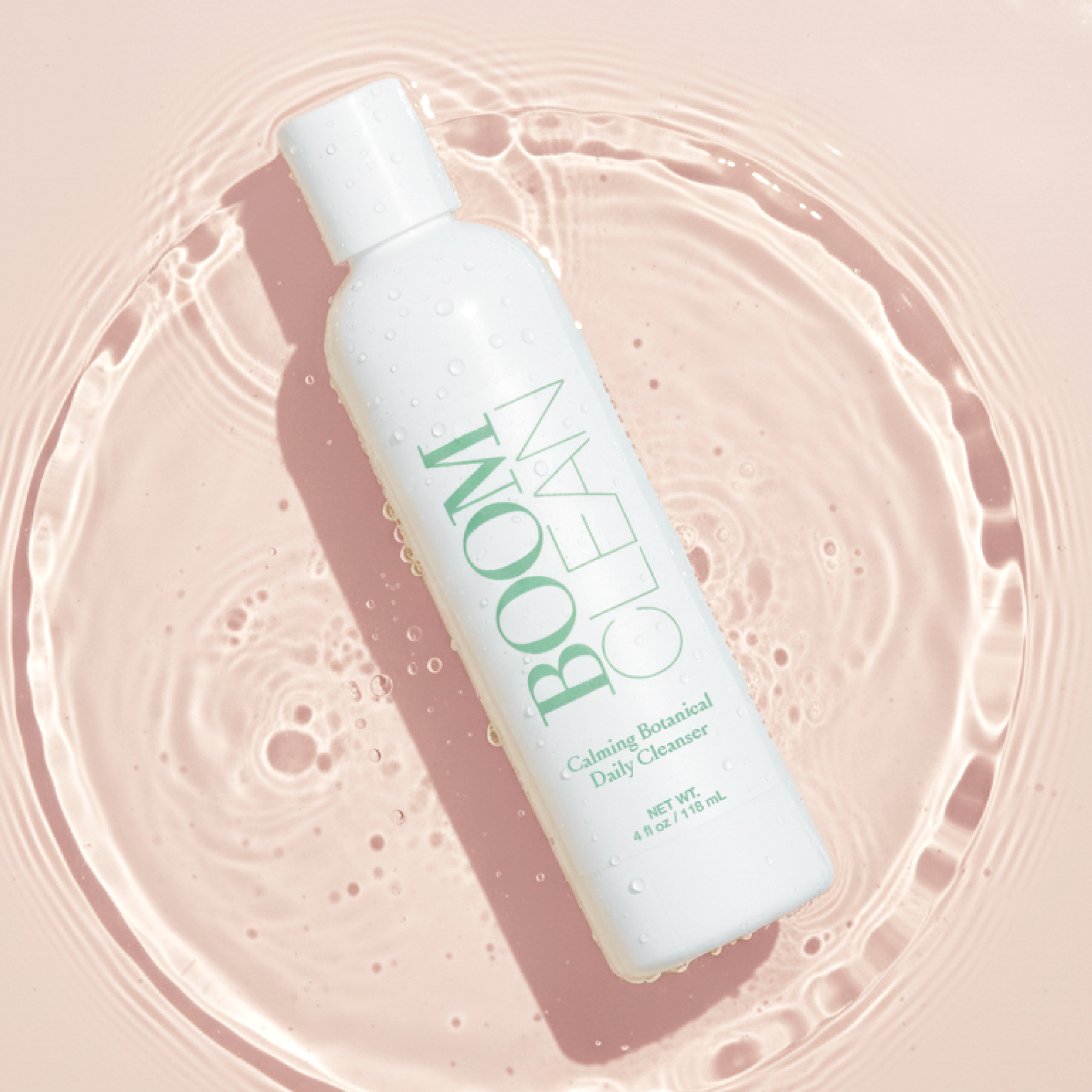
Choosing cleansers designed to respect the skin barrier rather than aggressively remove oil
-
Limiting exfoliation that can disrupt barrier lipids and increase sensitivity
-
Sealing moisture back into skin soon after cleansing, when water content is highest
These small shifts help slow moisture loss and support barrier function, which can make a noticeable difference in how skin feels throughout the day.
05. Common Cleansing Habits That Can Worsen Dryness
HABIT
WHY IT CAN BE PROBLEMATIC
MORE SUPPORTIVE ALTERNATIVE
Using foaming or stripping cleansers
Can remove too many natural lipids that help protect the barrier
Barrier-respecting cleansers
Cleansing too frequently
Increases transepidermal water loss over time
Gentle, consistent cleansing
Skipping moisture after cleansing
Leaves the barrier unsupported while skin is most vulnerable
Sealing hydration while skin is still damp
Over-exfoliating
Can weaken the barrier and increase sensitivity
Occasional, gentle exfoliation
05. Common Cleansing Habits That Can Worsen Dryness
HABIT
WHY IT CAN BE PROBLEMATIC
MORE SUPPORTIVE ALTERNATIVE
Using foaming or stripping cleansers
Can remove too many natural lipids that help protect the barrier
Barrier-respecting cleansers
Cleansing too frequently
Increases transepidermal water loss over time
Gentle, consistent cleansing
Skipping moisture after cleansing
Leaves the barrier unsupported while skin is most vulnerable
Sealing hydration while skin is still damp
Over-exfoliating
Can weaken the barrier and increase sensitivity
Occasional, gentle exfoliation
06. Menopause and Cleansing FAQs
Why does my skin feel tight after washing during menopause?
As estrogen levels decline, skin produces less oil and loses moisture more easily. Cleansing can increase water loss from the skin’s surface, especially when the barrier is already compromised, leading to that tight or uncomfortable feeling.
Is dryness inevitable during menopause?
Dryness is common, but how it’s managed matters. Supporting the skin barrier and slowing moisture loss can help skin feel more comfortable and resilient over time.
Should I stop cleansing twice a day?
Some women find fewer cleanses feel better as skin becomes drier or more sensitive. Others continue cleansing twice daily but switch to gentler formulas. Comfort and skin response are useful guides.
Can exfoliation make dryness worse?
Yes. Frequent or aggressive exfoliation can disrupt barrier lipids and increase sensitivity. Many women benefit from gentler exfoliation used less often.
Does sealing moisture really help?
Sealing moisture helps slow water loss from the skin and supports barrier function, particularly after cleansing when skin is more vulnerable to dehydration.
Is sensitive skin the same as a compromised skin barrier?
They often overlap. A weakened barrier can make skin feel sensitive, even if it wasn’t previously reactive.
07. How This Fits Into a Gentle Skincare Routine
As skin changes over time, many women find that simpler routines feel more supportive and easier to maintain. Gentle cleansing paired with sealing moisture can help maintain comfort without overloading the skin.
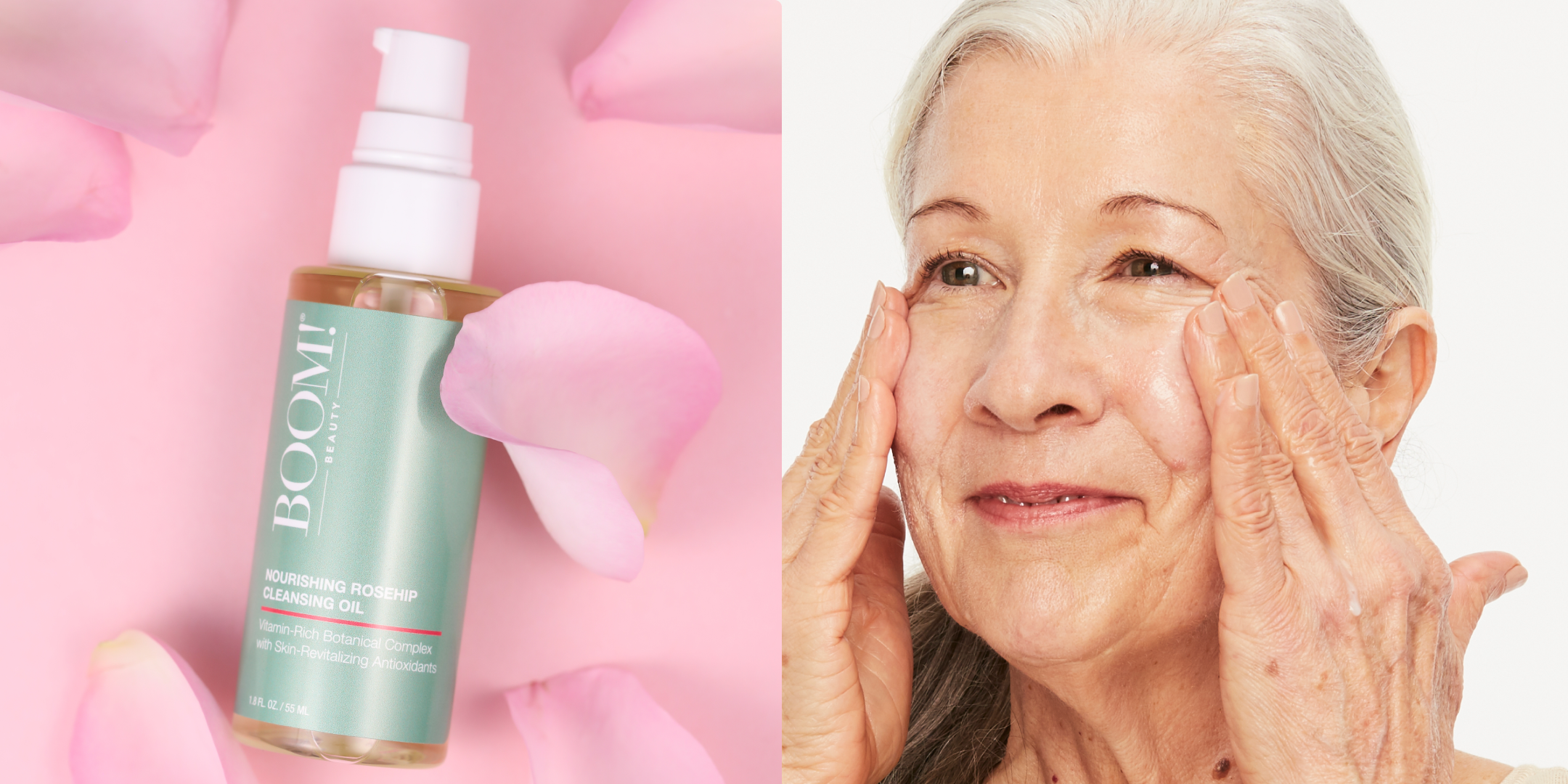
Some women use options like Rosehip Cleansing Oil or Boom Clean as barrier-respecting cleansing steps, followed by moisturizers such as Boomsilk or Boom Cotton to help slow moisture loss after washing. Occasional, gentle exfoliation — such as Boom Scrub — may also be used less frequently to help remove buildup, while still prioritizing skin comfort.
These products are often chosen as part of a calm, consistent routine — focused on supporting skin as it changes, rather than trying to correct or over-manage it.
Understanding how menopause affects the skin barrier can make skincare feel less frustrating — and more intuitive. When routines evolve to support skin as it changes, comfort often becomes easier to maintain over time.
CHECK OUT OUR MOST POPULAR CONTENT
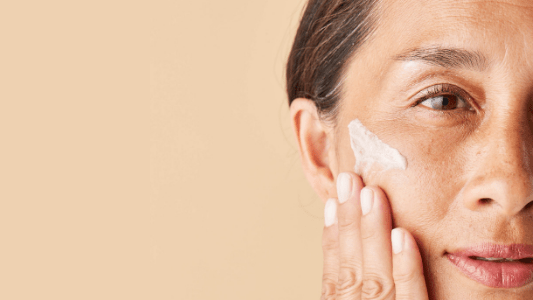
4 All Natural Ingredients Your Skin Will Love

5 Makeup Tips for Older Women

How to Shift Your Perspective on Aging
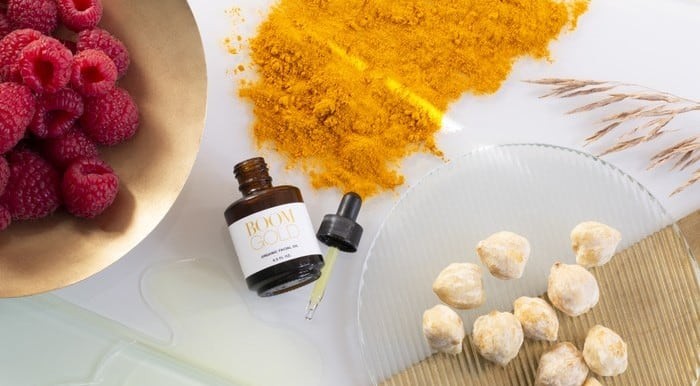
How to Make the Switch to All Natural Skincare
6 Tips for Taking Amazing Photos and Videos
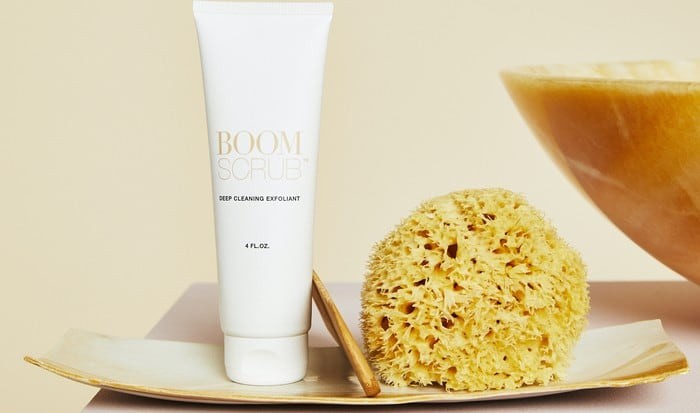
Create Your Own Spa at Home

3 Things Every Woman Needs to Hear About Aging, Beauty and Life